Imagine a future where trucks speed across highways, and robots with smart technology make shipping faster, cheaper, and easier. At Exclusive Transportation for Industry (ETI) in Allentown, PA, we are exploring how robots and artificial intelligence (AI) could work with our drivers and warehouse staff to improve services. This vision is not reality yet, but it could happen soon. Here’s how a mix of humans and robots might transform our warehousing, hot shot trucking, and cold chain logistics.
What Could a Human-Robot Team Look Like?
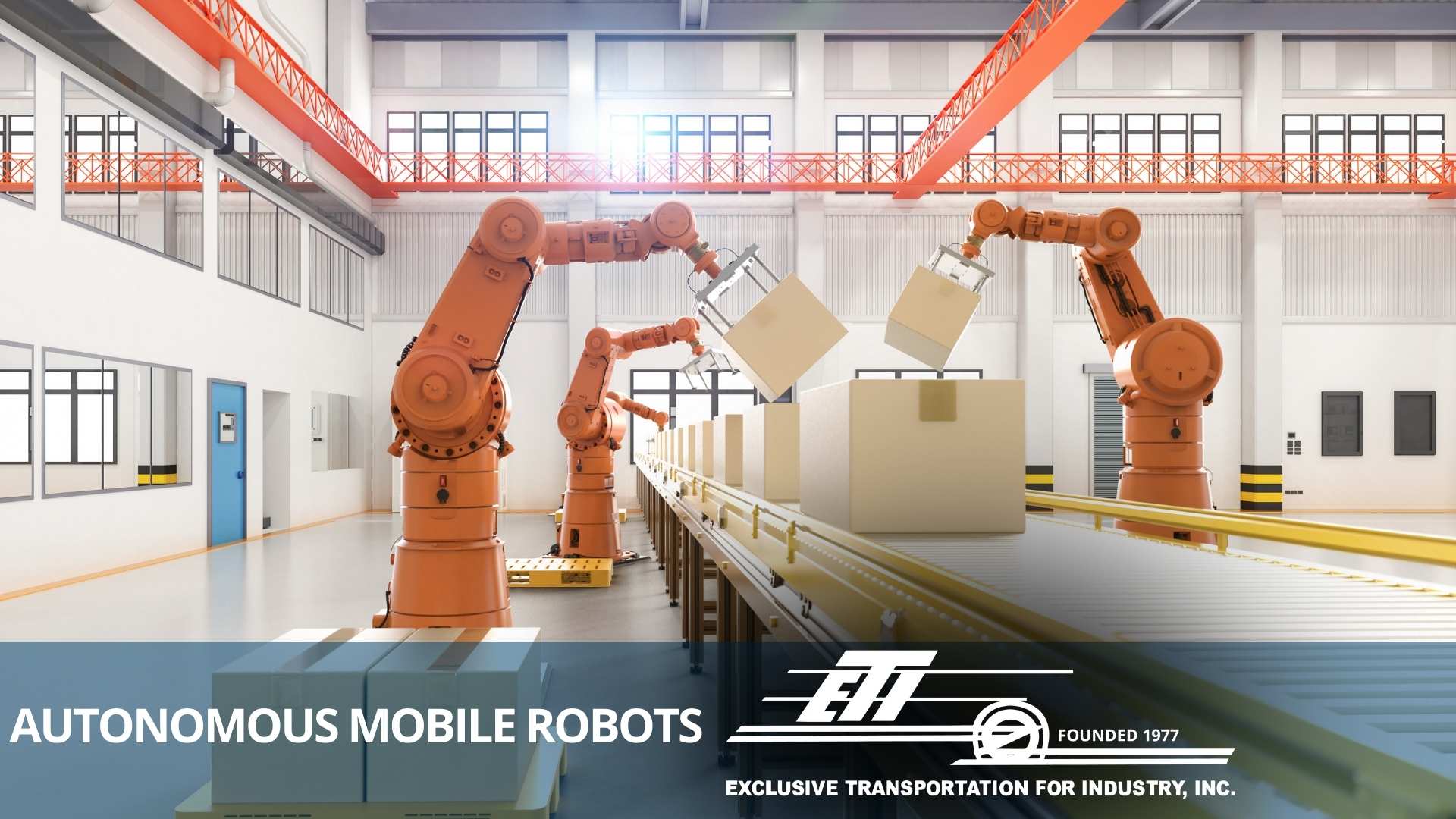
Picture robots moving through our Allentown warehouse, carrying pallets while our team checks quality or handles complex tasks like keeping medicines at the right temperature. These robots, known as autonomous mobile robots (AMRs), could take on repetitive jobs such as lifting heavy boxes. Our workers would focus on important decisions, including planning urgent deliveries or following safety rules for hazardous materials. This teamwork, called a hybrid human-robot ecosystem, could make work smoother, safer, and less tiring. It would build on ETI’s strengths, such as our round-the-clock operations and 500 years of combined staff experience, to deliver better results for customers.
Why the Future of Freight Matters
Studies show that combining robots with humans could increase warehouse productivity by 30 to 50 percent. Robots could sort items four times faster than humans alone and reduce mistakes, ensuring 99 percent of inventory is correct. This could lower costs, saving 3 to 36 percent on labor expenses each year, while keeping our team happier by cutting repetitive tasks. For ETI’s customers, this means quicker deliveries with fewer errors, whether it’s a small 1-pound package or a 50,000-pound load. This approach could also help with driver shortages, which experts predict could reach 80,000 by 2030.
Benefits of Futuristic Trucking
Here’s a quick look at the possible benefits in futuristic trucking:
- Speed: From normal pace to 30-50% faster
- Accuracy: From 89 to 90% to 99%
- Cost Savings: From standard costs to 3-36% less annually
- Worker Happiness: From varying levels to higher with less repetition
Planning for Tomorrow
To turn this future into reality, ETI could start small by testing AMRs in our warehouse for tasks like moving pallets for cross-docking. Our staff could learn new skills, such as using virtual reality (VR) to train on managing robots, which would help address driver shortages.
AI could improve our Crown Connect tracking system by predicting the best routes for our hot shot trucks, ensuring fast delivery of time-sensitive items like pharmaceuticals. This plan would keep our human drivers and staff at the core of our operations, with robots making their jobs easier.
We would also prioritize safety and compliance, adhering to rules from the TSA and FAA, especially for cold chain shipments. For instance, robots could manage frozen pharmaceuticals in our warehouse, while our Hazmat-certified drivers focus on safe, fast delivery. This hybrid approach could make ETI’s services even more dependable, as customers like Jessica P. from Expeditors say: “ETI treats your cargo like it’s their own.”
Game-Changing Companies in Freight Robotics & AI
The future of freight is taking shape, with companies building tools that could work with ETI’s services to transform logistics. These innovations are not in use at ETI yet, but they show what’s possible.
Six Companies Shaping the Future of Freight
1. HULKMAN
At CES 2025, HULKMAN unveiled smart logistics robots, including AMRs that move goods in warehouses without human help. These robots could improve ETI’s cross-docking by automating pallet transfers, cutting handling time by up to 40 percent. Their flexible systems suit ETI’s range of shipment sizes, from small packages to heavy loads.
2. AutoStore
AutoStore’s cube storage system uses robots to stack and retrieve goods in tight spaces, ideal for ETI’s short-term warehousing. This technology could boost storage efficiency by four times, allowing ETI to handle more orders in Allentown without expanding facilities. It’s a major win for space-limited hubs.
3. NVIDIA
NVIDIA’s Isaac platform powers AI-driven robots with real-time navigation and task planning. For ETI, this could mean smarter warehouse robots that avoid obstacles and work alongside our team, improving safety and speed. NVIDIA’s tools offer 40 times faster processing, which could enhance our Crown Connect tracking.
4. Universal Robots
Known for collaborative robots, or cobots, Universal Robots’ UR15 model, launched in 2025, works with humans for tasks like sorting or packing. These could help ETI’s warehouse staff manage high-value electronics or pharma goods, boosting accuracy to 99.8 percent and reducing worker strain.
5. GreyOrange
GreyOrange’s AI-powered robots optimize warehouse layouts and picking routes. Their systems could help ETI cut delivery times by 25 percent in cross-docking, as seen in other logistics firms. This would support our hot shot services for urgent deliveries across the Northeast.
6. Dorabot
Working with FedEx, Dorabot’s DoraSorter robots handle high-volume sorting for e-commerce. For ETI, these could streamline sorting in our warehouse, speeding up same-day deliveries. Tests show they can process thousands of packages per hour, perfect for our round-the-clock operations.
These companies show how robots and AI could work with ETI’s human expertise, making our warehousing and trucking faster and more reliable. As logistics evolves, partnering with innovators like these could keep ETI at the forefront.
Looking Ahead
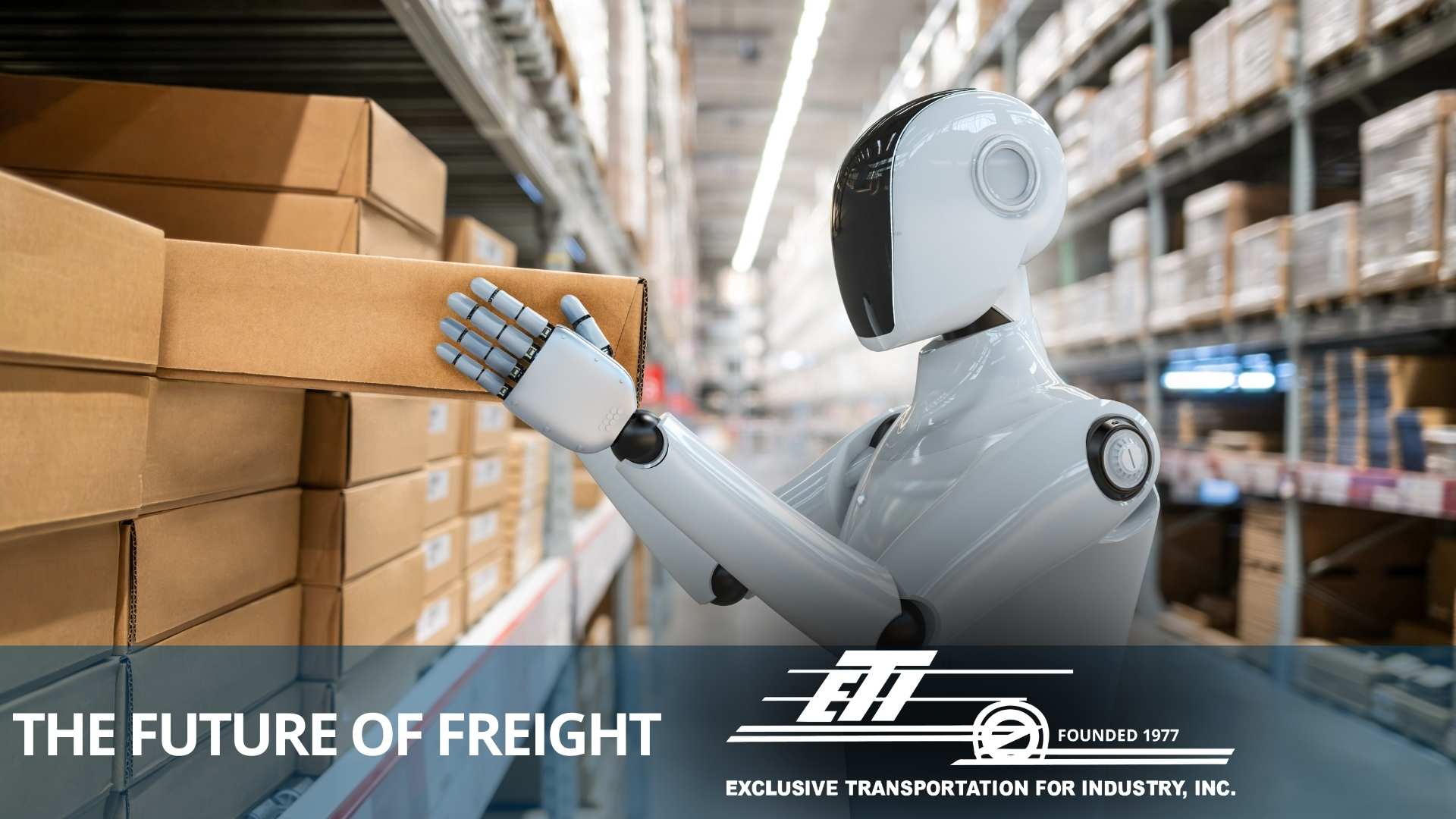
This hybrid future is not here yet, but it’s on the horizon. By 2035, millions of robots could work alongside people in logistics, and ETI aims to be prepared. This approach could make our round-the-clock services even stronger, saving costs and building trust. As Todd F. from Mazza Healthcare says, “ETI offers great rates and is very reliable.” A human-robot team could take that reliability to new heights.
Frequently Asked Questions (FAQ)
How can I learn more about robots and AI in logistics?
Visit industry events like Automate 2026 or CES 2026 for the latest updates on robotics and AI. You can also check websites like roboticsandautomationnews.com for news on new technology.
What are AMRs, and how could they help ETI?
AMRs are robots that move goods in warehouses without fixed tracks. They could make ETI’s warehousing faster by automating tasks like pallet moving. Learn more at ifr.org or contact ETI to discuss future plans.
How would ETI ensure safety with robots?
ETI would follow strict safety rules, such as those from the TSA and FAA, and train staff to work safely with robots. Industry groups like the International Federation of Robotics provide safety guidelines.
Can I explore hybrid logistics for my business with ETI?
Yes. Reach out at https://eticompany.com/contact/ to discuss how ETI’s warehousing and hot shot trucking could fit with future technology like robots and AI.
Where can I find data on hybrid logistics benefits?
Look into reports from McKinsey or PwC for statistics on productivity and cost savings. ETI can also share insights on how these could apply to your shipping needs.
Ready to explore this future for your shipping? Contact ETI at https://eticompany.com/contact/ to discuss what’s possible.