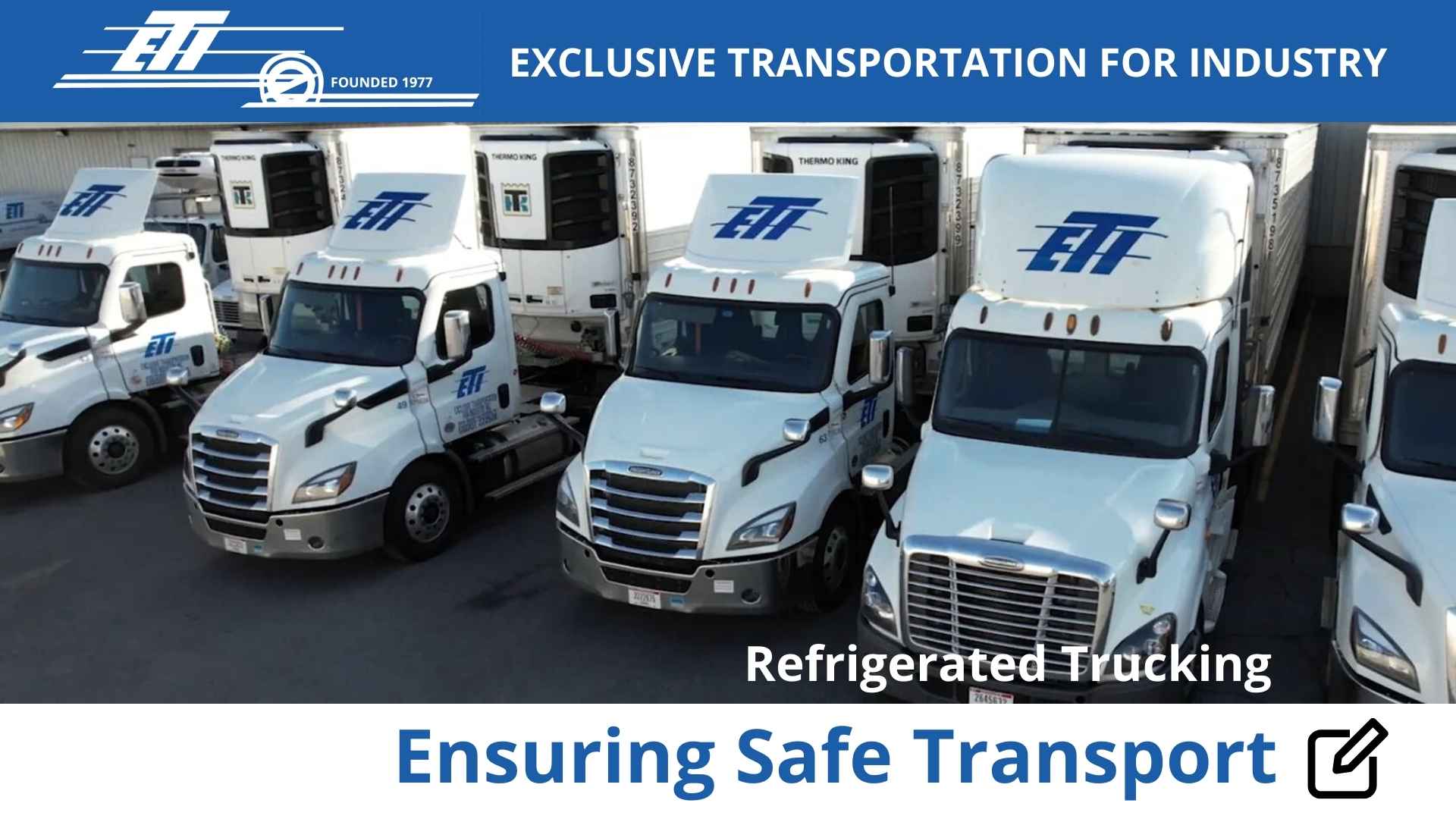
Cold chain shipping requires more than a refrigerated truck. A dependable cold chain shipping solution brings together the right temperature-controlled equipment, defined shipment requirements, monitoring, communication and documentation to help protect sensitive freight from pickup through delivery.
For pharmaceutical, life sciences, food and other temperature-sensitive products, those details should be established before the shipment leaves the dock.
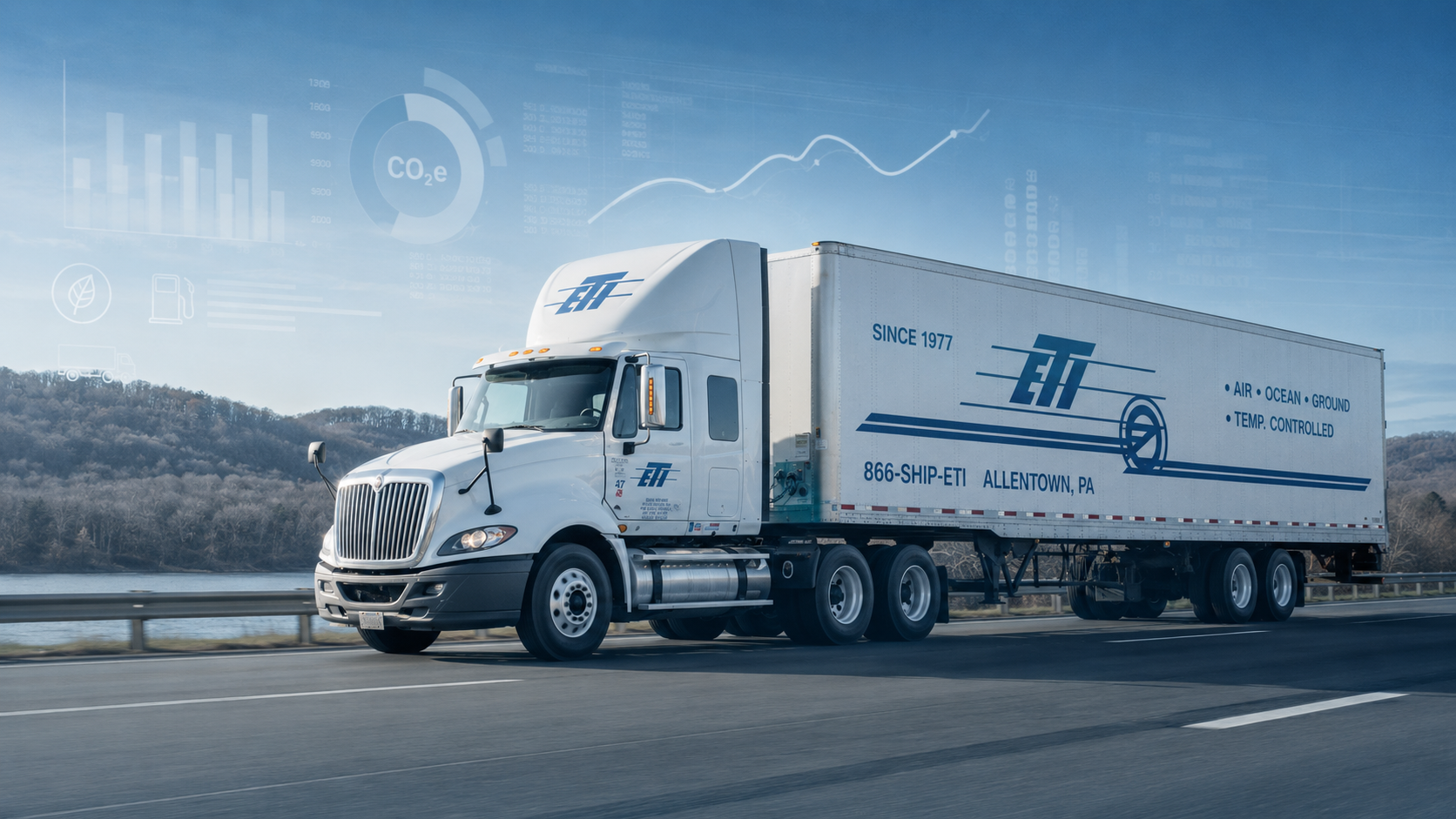
ETI provides cold chain logistics services from its Allentown, Pennsylvania operation using refrigerated straight trucks and trailers equipped with monitoring systems for temperature-sensitive transportation. The company serves customers across Pennsylvania, New York and New Jersey and supports pharmaceutical, life sciences and other specialized freight.
ETI offers all that combined with lightening fast deliveries. The cold chain process is essential to keeping our food and pharma products safe and fresh. With the help of technology and reliable providers, we can continue to ensure that our pharmaceutical and food products reach our destinations in the best condition possible. Request a quote or give us a call if you have any specific questions regarding cold chain processes at 866-SHIP-ETI.
What Is Cold Chain Shipping?
Cold chain shipping is the transportation of products that must remain within specified temperature conditions while in transit.
There is no single temperature that defines the cold chain. The requirements depend on the product being transported. Pharmaceuticals, biological samples, vaccines, food products and other sensitive materials can each require different conditions.
That is why the transportation process begins with a basic but important question:
What conditions must this particular shipment maintain from pickup through delivery?
The shipper or product owner establishes those requirements. The transportation provider then needs equipment and procedures appropriate for the shipment.
What Should a Cold Chain Shipping Solution Include?
A good cold chain transportation plan should address more than refrigeration.
| Cold Chain Element | What It Should Address |
|---|---|
| Defined temperature requirements | The acceptable transportation conditions should be communicated before pickup. |
| Appropriate equipment | The vehicle and refrigeration system should be suitable for the product and shipment size. |
| Equipment preparation | The cargo area may require inspection, cleaning or pre-cooling before loading. |
| Temperature monitoring | Conditions should be monitored according to the needs of the shipment. |
| Shipment visibility | The transportation team should be able to determine shipment status and progress. |
| Exception communication | The carrier and shipper should know what happens if conditions or timing change. |
| Documentation | Required delivery, transportation or temperature records should be identified in advance. |
| Contingency planning | The transportation plan should consider delays, equipment issues and other disruptions. |
The specific requirements will vary considerably from one shipment to another. A refrigerated food shipment and a clinical trial shipment may both be temperature sensitive, but they should not automatically be treated as though they have identical handling, monitoring or documentation requirements.
Establish the Temperature Requirements Before Pickup
The time to determine a shipment’s required temperature is not after the driver arrives.
For applicable food transportation, FDA’s Sanitary Transportation rule requires equipment to be capable of maintaining the temperatures necessary for safe transportation. When the shipper and carrier have assigned responsibility for temperature control, the carrier may also be required to pre-cool refrigerated equipment according to the shipper’s specifications.
For pharmaceuticals and life sciences products, transportation requirements may be established by product specifications, manufacturer instructions and quality procedures. This means “keep it cold” is not a sufficient transportation instruction. The carrier should know the required conditions before dispatch so that the appropriate equipment and transportation plan can be selected.
Why Equipment Preparation Matters
Refrigeration capability alone does not guarantee that a vehicle is ready for every temperature-sensitive load.
Depending on the shipment, preparation can include confirming the condition of the cargo area, checking the refrigeration equipment and bringing the compartment to the required operating condition before loading.
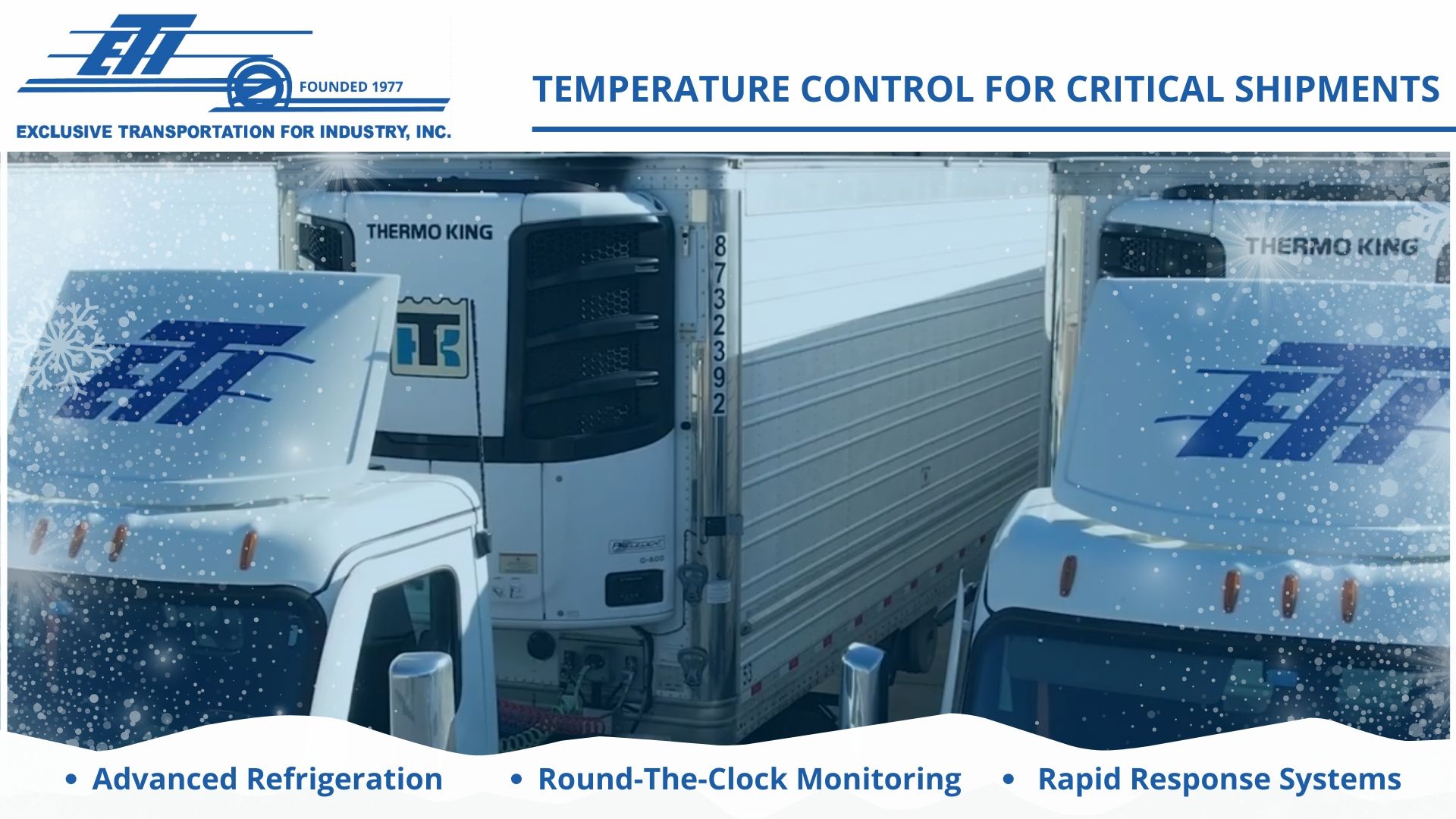
FDA’s current guidance for covered food transportation specifically addresses vehicle suitability, sanitation, temperature control and pre-cooling when applicable. ETI currently identifies refrigerated trailers and temperature-controlled straight trucks among its cold chain equipment. Its Cold Chain Logistics service also describes real-time monitoring systems for tracking temperature conditions during transportation.
For shippers looking for ETI’s specific equipment and commercial service capabilities, see temperature-controlled cold chain transportation
Temperature Monitoring and Shipment Tracking Are Different
This distinction is important.
Shipment tracking answers:
Where is the freight and what is its transportation status?
Temperature monitoring answers:
Are the required transportation conditions being maintained?
A GPS location does not confirm temperature. Likewise, a temperature reading alone does not tell a shipper whether the freight has been picked up, is delayed at a facility or has been delivered.
ETI uses Crown Connect shipment tracking to give customers access to information including status updates, proofs of delivery, shipment notes and scanned documents. ETI’s Cold Chain Logistics service separately identifies real-time temperature monitoring as part of its temperature-controlled transportation capabilities.
Keeping these two functions distinct gives shippers a more accurate understanding of what visibility means during a cold chain shipment.
What Is a Temperature Excursion?
A temperature excursion occurs when a temperature-sensitive product is exposed to conditions outside its specified range.
An excursion does not by itself determine whether the product can still be used. The significance can depend on several factors, including the product involved, how far the temperature moved outside the acceptable range and how long the condition lasted.
Current CDC vaccine guidance, for example, emphasizes documenting temperature excursions and following appropriate procedures to evaluate affected product rather than making an automatic assumption about viability. The CDC updated its Vaccine Storage and Handling Toolkit in July 2026 with revised guidance on monitoring and temperature excursions.
For a commercial carrier, the important role is to identify relevant transportation conditions and communicate an exception promptly. Product disposition may ultimately need to be determined by the shipper, manufacturer or another qualified party.
Monitoring Is Only Useful When Someone Responds
A temperature alert is valuable because it can provide information while there may still be time to act.
But an alert by itself is not a response plan. Before transportation begins, the shipper and carrier should understand who receives an alert, who reviews the information, who communicates with the customer and what actions are authorized if conditions change.
A temperature issue is also not the only event that can affect cold chain transportation. Traffic, weather, receiving delays and equipment issues can alter the original transportation plan.
The purpose of visibility is not simply to accumulate data. It is to get relevant information to the people who can use it.
Cold Chain Documentation Should Be Discussed Before the Shipment
Another common mistake is waiting until after delivery to determine what documentation is needed.
Depending on the freight, a customer may require shipment records, proof of delivery, temperature information or documentation surrounding an exception. For applicable food transportation, FDA recognizes several methods for demonstrating that specified temperature conditions were maintained, including temperature measurements and time-and-temperature data agreed upon by the parties.
CDC’s current vaccine resources likewise include transportation temperature logs and procedures for handling temperature excursions. The exact requirements will depend on the product, but the principle is broadly useful: Determine what documentation will be needed before the shipment begins.
Why Human Communication Still Matters
Cold chain transportation increasingly depends on technology, but technology does not replace the people managing the shipment. Location information, temperature monitoring, vehicle data and electronic shipment records can all improve visibility. A shipper still needs to know who is responsible for the load and how the carrier will communicate if something changes.
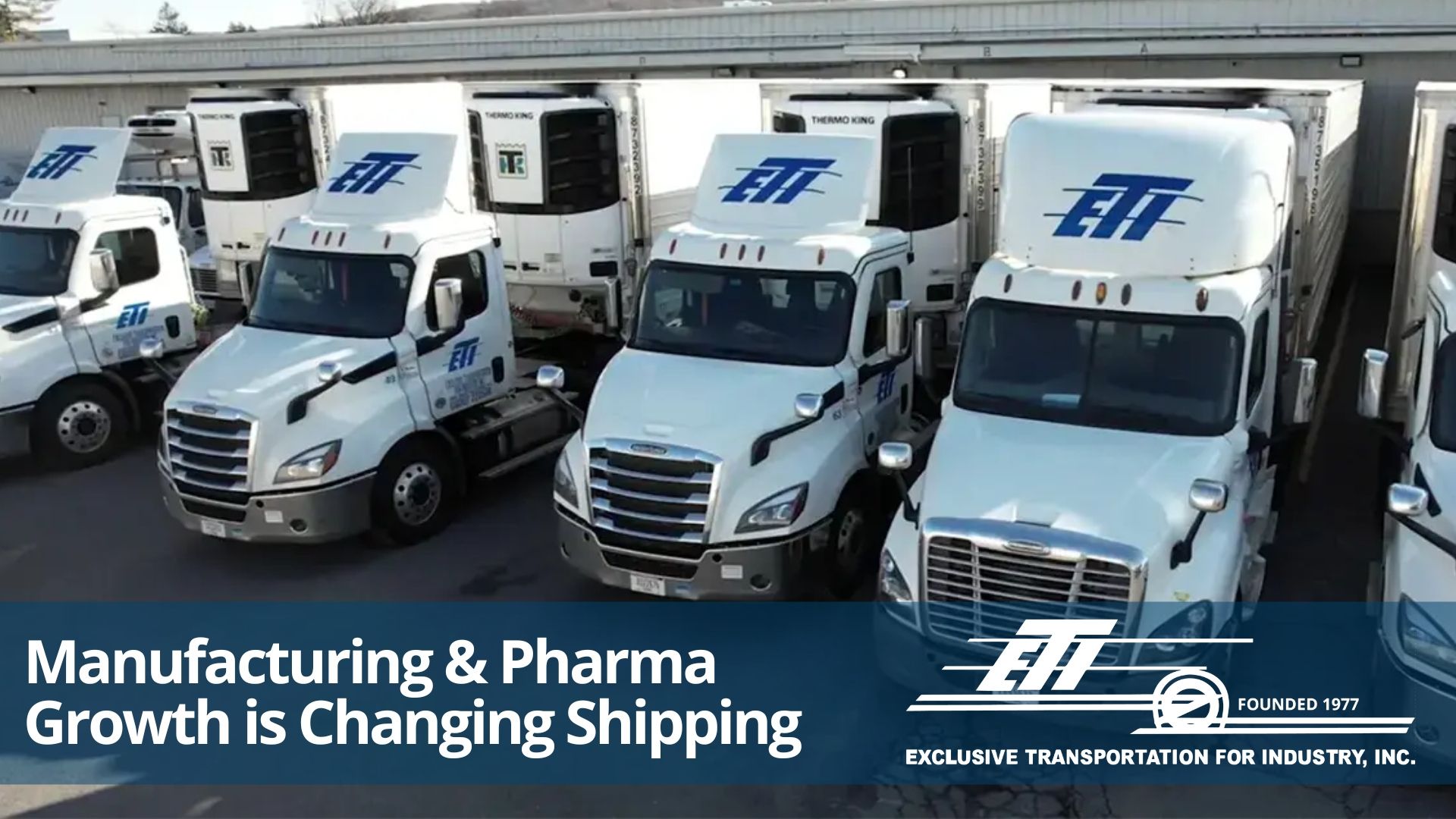
ETI’s exclusive same-day transportation uses dedicated vehicles and drivers, GPS shipment monitoring and dispatch oversight for time-sensitive freight. ETI states that its dispatchers monitor shipments and notify customers when problems arise, while proof of delivery is available through Crown Connect.
For sensitive freight, that combination of technology and human communication is more meaningful than simply saying a shipment can be “tracked.”
Contingency Planning Is Part of the Cold Chain
Even a carefully planned shipment can encounter something unexpected. Weather can change. Traffic can stop. A receiver can be delayed. Equipment can require attention. The appropriate response depends on the shipment, which is why contingency planning should occur before a problem develops.
Questions worth resolving in advance include who should be contacted if transportation conditions change, whether the receiving facility has specific instructions for delays, and what information needs to be preserved if an exception occurs. For temperature-sensitive freight, the goal is not to pretend disruptions never happen. The goal is to know how the transportation team will respond if they do.
What Should You Ask a Cold Chain Transportation Provider?
Instead of asking only, “Do you have refrigerated trucks?” shippers should ask questions that relate directly to the freight being transported. A useful discussion should establish the required temperature conditions, available equipment, monitoring process, shipment visibility, communication procedures, required documentation and plans for unexpected events.
Those questions help distinguish a complete cold chain transportation plan from basic refrigerated transportation. ETI’s Cold Chain Logistics service page [INTERNAL LINK] should remain the primary destination for customers evaluating ETI’s commercial cold chain capabilities. This article is intended to help shippers understand what they should consider when planning the shipment itself.
Cold Chain Shipping in Pennsylvania, New Jersey and New York
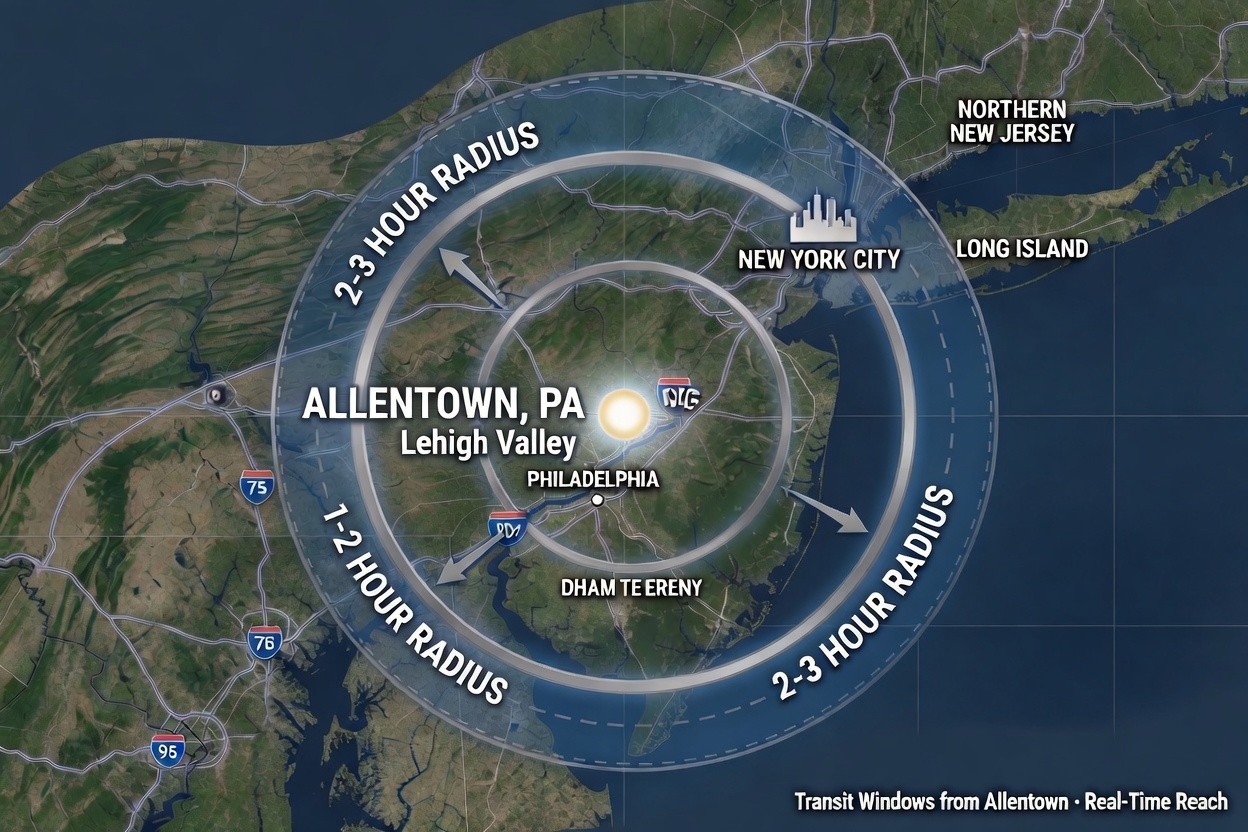
ETI is headquartered in Allentown, Pennsylvania and provides temperature-controlled transportation across Pennsylvania, New York and New Jersey. The company’s current Cold Chain Logistics service specifically supports pharmaceutical companies, life sciences organizations and cold storage facilities in the region.
The location places ETI within reach of major Northeast pharmaceutical, manufacturing, airport and distribution corridors. ETI also provides daily freight service connecting Eastern Pennsylvania and North and Central New Jersey with ABE, EWR, JFK and PHL, reinforcing its presence throughout the region’s major transportation network.
For customers seeking service rather than general cold chain information, visit cold chain logistics in Pennsylvania, New York and New Jersey [INTERNAL LINK].
Cold Chain Shipping Is a Process, Not Just Refrigeration
The original version of this article focused primarily on cold chain technology. Technology remains important, but a modern cold chain shipping solution is better understood as a coordinated process. The product requirements need to be defined. The right equipment must be assigned. Conditions need to be monitored. Shipment progress needs to be visible. Changes need to be communicated. Required records need to be available. When those pieces work together, refrigerated transportation becomes part of a broader system for protecting sensitive freight from pickup through delivery. That leads to a better question for a shipper than simply asking whether a carrier has a refrigerated truck: Can the transportation plan maintain the conditions this shipment requires, and can the carrier provide the visibility and communication needed along the way?
Temperature-Controlled Transportation With ETI
ETI has provided specialized transportation from Allentown, Pennsylvania since 1977. Today, its fleet includes refrigerated straight trucks and trailers for pharmaceutical, life sciences, food and other temperature-sensitive transportation. ETI operates 24 hours a day, 365 days a year and also provides dedicated same-day transportation when timing is critical. If your shipment has specific temperature, timing, monitoring or documentation requirements, communicate those requirements before dispatch so ETI can determine an appropriate transportation plan.
Request a cold chain transportation quote by calling 866-SHIP-ETI to discuss the shipment.
Frequently Asked Questions About Cold Chain Shipping
Does every cold chain shipment use the same temperature?
No. The required temperature conditions depend on the product. The shipper or product owner should establish the applicable requirements before transportation begins.
Is shipment tracking the same as temperature monitoring?
No. Shipment tracking generally communicates location and transportation status. Temperature monitoring provides information about conditions associated with the temperature-sensitive shipment.
What is a temperature excursion?
A temperature excursion occurs when a product experiences conditions outside its specified temperature range. The significance of the excursion depends on the product and circumstances and may require evaluation by the shipper, manufacturer or another qualified party.
What information should a shipper provide before a cold chain pickup?
The carrier should understand the required transportation conditions, shipment size and weight, pickup and delivery requirements, timing, monitoring needs, documentation requirements and any special handling instructions that affect transportation.
Does ETI provide tracking for cold chain shipments?
ETI customers can access shipment status information through Crown Connect, including status updates, proofs of delivery, notes and certain shipment documents. Temperature monitoring is a separate capability associated with ETI’s cold chain transportation.
Whether you are planning a scheduled temperature-controlled shipment or need an urgent transportation solution, ETI can review the product requirements, pickup and delivery schedule, equipment needs and transportation conditions before dispatch. To learn more about ETI’s cold chain logistics services, call 866-SHIP-ETI .