
Tri-State Logistics Overview: Traditional LTL shipping relies on regional terminal networks that often turn short regional trips into 24-to-48-hour delays. Exclusive-use hot shot trucking bypasses these hubs entirely, delivering critical cargo from transit centers like Allentown straight to destinations in PA, NY, and NJ within a predictable 1-to-3-hour window.
For manufacturers, industrial distributors, and project managers operating in the Pennsylvania, New York, and New Jersey tri-state area, transit time is not just a variable on a spreadsheet. It is a critical metric that directly impacts profitability.The Northeast corridor contains some of the densest and most volatile freight lanes in the United States. Navigating the constant congestion on I-95, the construction bottlenecks of I-78, and the predictable delays at the George Washington Bridge requires more than just standard routing. It requires a dedicated, asset-based strategy built for speed and precision.
The Friction of Traditional Regional Freight Networks
Many shippers rely on traditional Less-Than-Truckload (LTL) carriers to move mid-sized freight between Pennsylvania and the surrounding metro areas. While this hub-and-spoke model is highly cost-effective for non-urgent cargo, it introduces significant risk for time-critical components.
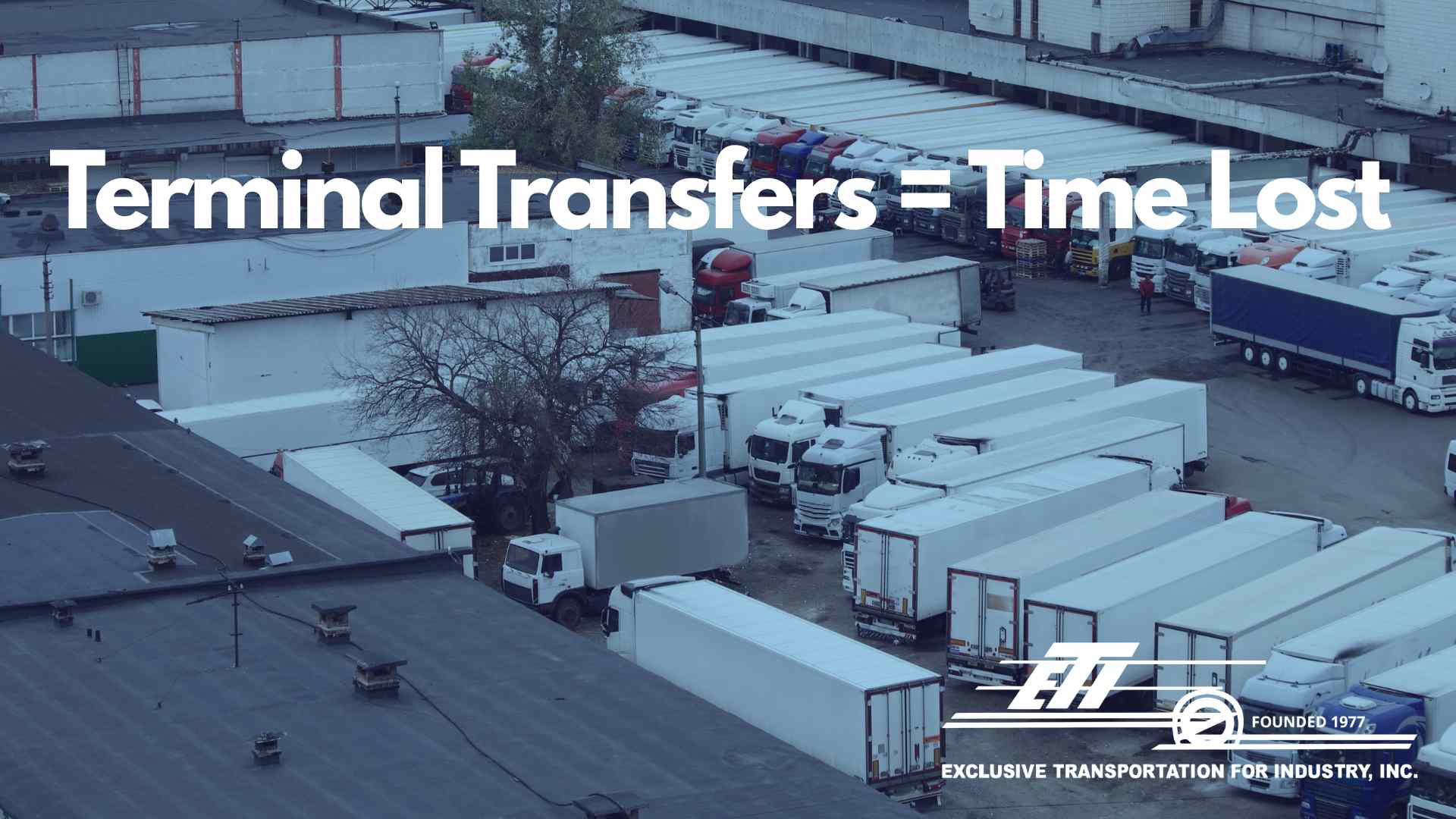
Standard regional LTL carriers function by consolidating freight from multiple shippers into centralized hubs. A pallet moving from an industrial facility in Allentown to a client in Northern New Jersey or Long Island is rarely driven straight to its destination. Instead, it is typically loaded, transported to a regional sorting terminal, unloaded, sorted, reloaded onto a different trailer, and sent on its way.
Every single terminal transfer introduces a point of failure:
- The Transit Delay: A simple two-hour drive transforms into a 24-to-48-hour ordeal as your freight waits for a driver assignment or trailer consolidation at the local terminal.
- The Handling Risk: Every time a forklift touches a pallet at a cross-dock facility, the probability of cargo damage increases. For high-value materials, this handling risk can result in costly project delays.
Bypassing the Gridlock with Exclusive-Use Hot Shot Trucking
When a delivery window is unyielding, the solution is to bypass the regional terminal networks entirely. Dedicated hot shot trucking replaces the hub-and-spoke system with an exclusive-use, point-to-point transit model.
When you dispatch a hot shot sprinter van or straight truck, that vehicle is entirely dedicated to your cargo. The driver goes directly from your loading dock straight to the delivery address without secondary stops, terminal drop-offs, or freight consolidation.
This dedicated approach changes how you navigate the unique challenges of the Tri-State infrastructure:
- Real-Time Agility: If an accident causes gridlock on I-95 or a backup at the Lincoln Tunnel, an agile hot shot vehicle can pivot to alternative routes immediately, whereas a fully loaded 53-foot tractor-trailer is heavily restricted by weight limitations and local parkway regulations.
- Predictable Regional Windows: Operating from a strategic home base at the crossroads of I-78 and I-476 allows a dedicated carrier to reach Philadelphia in 1 to 2 hours and the New York City boroughs in 2 to 3 hours, offering predictable delivery times even during peak traffic windows.
Securing Supply Chain Fluidity for High-Stakes Projects
A reliable hot shot partner does more than just transport freight; they serve as an operational safety net for regional businesses.
For instance, when specialized commercial construction teams, architectural fabricators, or design entities coordinate large-scale property transformations, the timing of material arrivals must be perfectly synchronized. A delayed delivery of custom architectural fixtures or structural elements doesn’t just halt the truck; it leaves entire crews standing idle, driving up labor overhead and straining client relationships.
Utilizing an exclusive-use hot shot delivery ensures that high-value cargo arrives precisely when the site is prepped and ready, keeping complex multi-tier project timelines perfectly fluid.
The Asset Distinction Matters in the Northeast
Winning the battle against Tri-State congestion requires the right equipment and the proper operational credentials. Selecting a carrier with an asset-based fleet ensures that the team moving your freight owns the trucks, employs the drivers, and directly controls the transit schedule.
For high-security or regulated environments, such as airport cargo transfers at JFK, EWR, or PHL, or high-value pharmaceutical movements through the New Jersey life sciences corridor, ensure your hot shot provider offers:
- U.S. Customs Bonded Status: Enabling secure transport of un-cleared import cargo between regional ports and inland facilities.
- TSA Compliance: Ensuring the driver and the vehicle are vetted for swift, compliant airport cargo delivery.
- Full Hazmat Certification: Confirming that the drivers are fully credentialed to handle chemical or pharmaceutical components natively.
When the traditional freight lanes are backed up, don’t let your critical cargo sit stuck in a terminal gridlock. Transitioning to a dedicated tri-state hot shot strategy keeps your business moving faster than the traffic around it.
Frequently Asked Questions
What is the difference between hot shot trucking and expedited freight?
Hot shot trucking specifically utilizes smaller, agile asset classes like sprinter vans, box trucks, or medium-duty flatbeds to move smaller, time-sensitive loads that do not require a full 53-foot semi-truck. Expedited freight is a broader term that can apply to any size vehicle, including full tractor-trailers, that runs straight through without stops.
Why is the Allentown area considered a strategic hub for tri-state logistics?
Allentown sits at the direct intersection of major freight veins, including I-78 and I-476. This geographic positioning allows a carrier to dispatch vehicles that can hit the major commercial zones of New York City, Northern New Jersey, and Philadelphia within a highly predictable 1-to-3-hour operational window.
Can hot shot trucks handle temperature-sensitive or fragile cargo?
Yes, high-tier hot shot fleets include refrigerated sprinter vans and climate-controlled straight trucks equipped with lift gates. Because the vehicle is exclusive to your shipment, your fragile or temperature-sensitive goods are not subjected to the dangerous climate shifts and rough handling common in standard multi-stop LTL freight networks.